
Understanding Trulicity
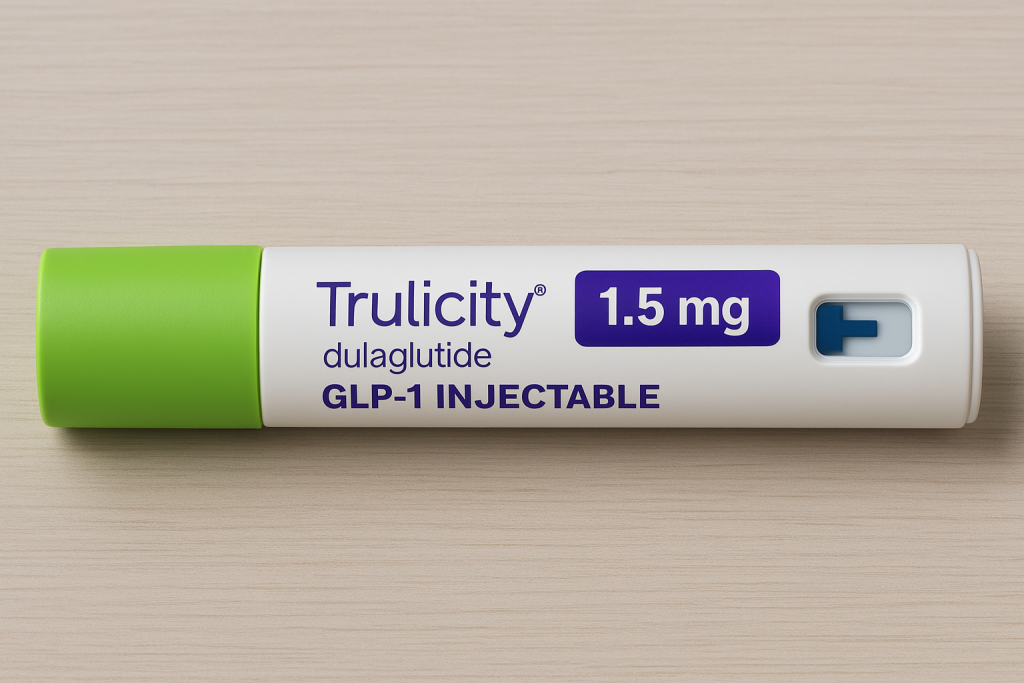
Trulicity is a medication commonly prescribed to help manage certain health conditions. It belongs to a class of drugs known as GLP-1 receptor agonists and is primarily used in the treatment of type 2 diabetes.
How Trulicity Works
Trulicity works by mimicking the effects of a hormone called glucagon-like peptide-1 (GLP-1) in the body. This hormone helps regulate blood sugar levels by stimulating insulin secretion, slowing down digestion, and reducing the production of glucose in the liver.
Common Conditions Treated
- Type 2 Diabetes: Trulicity is often prescribed to individuals with type 2 diabetes to help improve blood sugar control and reduce the risk of complications associated with the disease.
- Weight Management: In some cases, Trulicity may also be used to aid in weight loss efforts, as it can help reduce appetite and promote feelings of fullness.
- Cardiovascular Health: Trulicity has been shown to have beneficial effects on heart health, making it a valuable option for individuals with diabetes at risk of cardiovascular complications.
Potential Side Effects
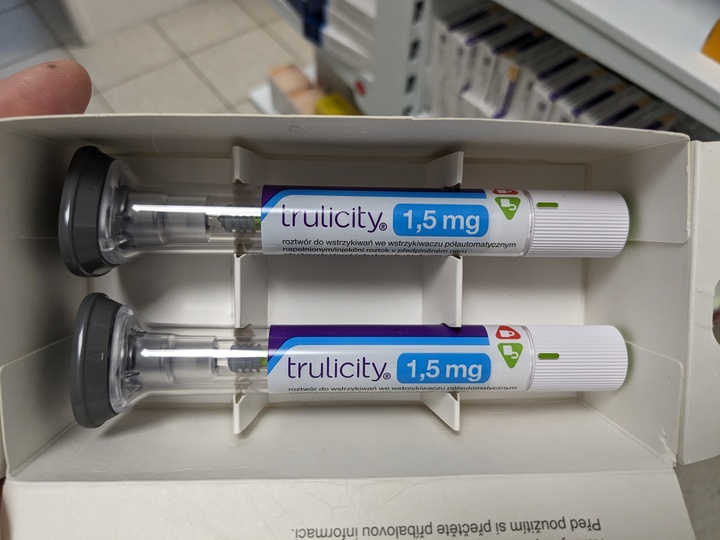
When starting Trulicity treatment, it is essential to be aware of the potential side effects that may occur. While many individuals may not experience any side effects, it is crucial to recognize and address them promptly if they do arise.
Common Side Effects
- Nausea
- Vomiting
- Diarrhea
- Headache
- Stomach pain
Severe or Rare Side Effects
- Severe allergic reactions such as rash, itching, swelling, dizziness, or trouble breathing
- Pancreatitis (inflammation of the pancreas) characterized by severe abdominal pain
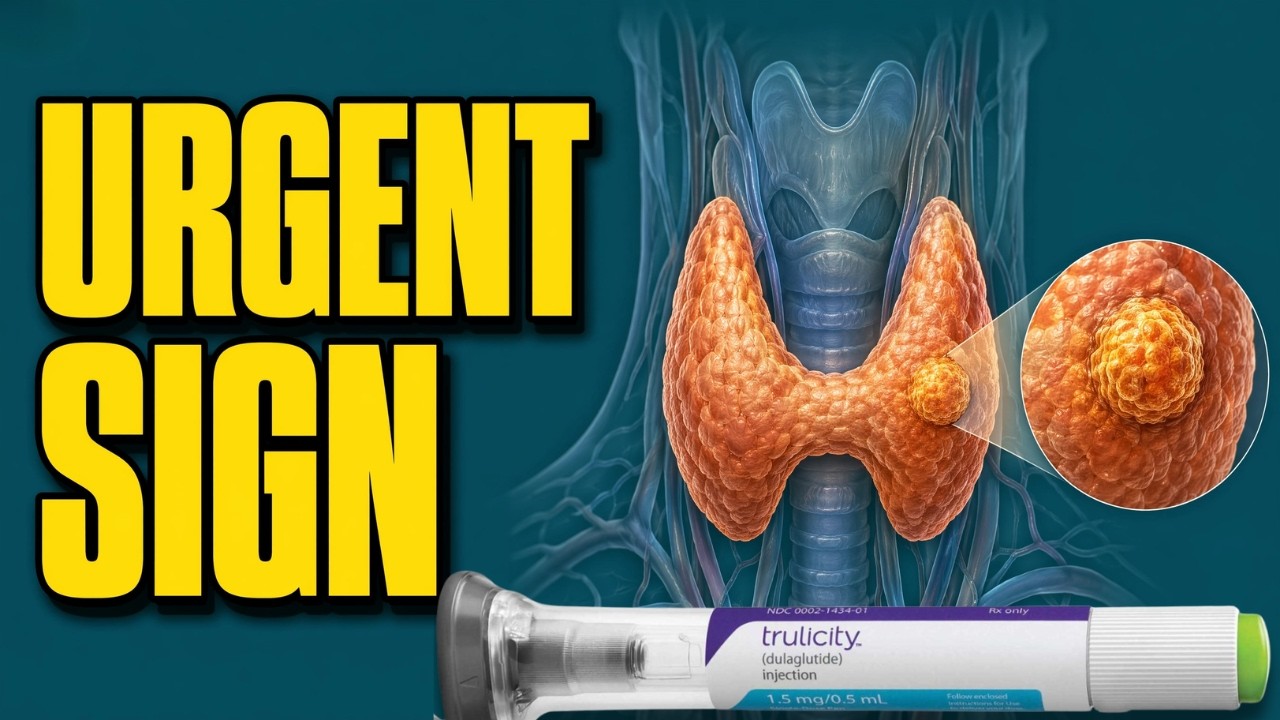
- Thyroid tumors, particularly in rodents, have been observed in studies
- Acute kidney injury or worsening of chronic kidney disease
Recognizing and Addressing Side Effects
It is important to monitor your body while on Trulicity and promptly report any unusual symptoms to your healthcare provider. If you experience severe allergic reactions, pancreatitis symptoms, or other serious side effects, seek immediate medical attention. Your doctor may need to adjust your dosage or consider alternative treatment options.
Precautions and Warnings
Before starting Trulicity treatment, it is essential to be aware of specific precautions and warnings to ensure its safe and effective use. Understanding who should avoid or use Trulicity with caution, potential interactions with other medications, and warning signs to watch out for is crucial for your well-being.
Groups of People Who Should Avoid or Use Trulicity with Caution
- Individuals with a history of pancreatitis or severe gastrointestinal disease should avoid Trulicity.
- Pregnant or breastfeeding women should use Trulicity with caution and only under the guidance of a healthcare provider.
- Patients with a history of thyroid cancer or multiple endocrine neoplasia syndrome type 2 should avoid Trulicity.
Interactions with Other Medications or Substances
- Trulicity may interact with certain medications like insulin or sulfonylureas, affecting blood sugar levels. It is important to inform your healthcare provider about all the medications you are taking before starting Trulicity.
- Avoid consuming excessive alcohol while on Trulicity, as it can increase the risk of gastrointestinal side effects.
Warning Signs Before Starting Trulicity Treatment
- If you experience severe abdominal pain, nausea, or vomiting, seek medical attention immediately as these could be signs of pancreatitis.
- Unexplained weight loss, changes in vision, or symptoms of thyroid cancer should be reported to your healthcare provider before initiating Trulicity.
Managing Side Effects
Managing the side effects of Trulicity is crucial for a successful treatment journey. By understanding how to address common side effects, knowing when to seek medical help, and making necessary lifestyle changes, you can minimize discomfort and maximize the benefits of your medication.
Strategies for Managing Common Side Effects
- Stay hydrated: Drink plenty of water throughout the day to prevent dehydration, a common side effect of Trulicity.
- Eat smaller, more frequent meals: This can help reduce gastrointestinal side effects like nausea or diarrhea.
- Monitor your blood sugar levels: Trulicity may affect your blood sugar, so keep track of your levels regularly.
- Follow a healthy diet and exercise routine: Maintaining a healthy lifestyle can help alleviate some side effects and improve overall well-being.
Tips on When to Seek Medical Attention for Side Effects
- If you experience severe abdominal pain, persistent vomiting, or signs of dehydration, contact your healthcare provider immediately.
- Unexplained weight loss, severe dizziness, or difficulty breathing are also red flags that require medical attention.
- Any allergic reactions such as rash, itching, or swelling should be reported to your doctor promptly.
Lifestyle Changes or Precautions to Minimize Side Effects
- Avoid consuming alcohol while taking Trulicity, as it can worsen certain side effects.
- Take your medication as prescribed and at the same time each day to maintain consistent levels in your body.
- Inform your healthcare provider about any other medications or supplements you are taking to prevent interactions that may exacerbate side effects.
Answers to Common Questions
What are the common side effects of Trulicity?
Common side effects include nausea, diarrhea, and abdominal pain.
Who should avoid using Trulicity?
People with a history of pancreatitis should avoid Trulicity.
When should medical attention be sought for Trulicity side effects?
Medical attention should be sought if severe abdominal pain or allergic reactions occur.