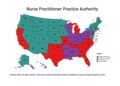

Legal Requirements for Collaborating Physicians
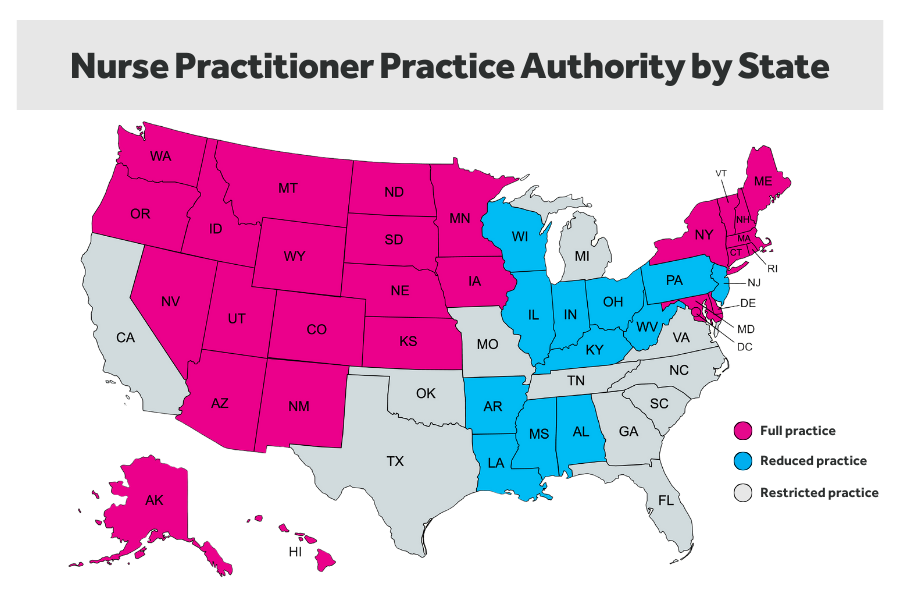
Collaborating physicians have specific legal obligations when working with nurse practitioners. It is crucial for collaborating physicians to comply with state-specific laws and regulations to ensure the quality and legality of the collaboration. Failure to adhere to these legal requirements can result in penalties and consequences for both the collaborating physician and the nurse practitioner.
Importance of Compliance
Collaborating physicians must understand and follow the laws and regulations set forth by their state regarding collaboration with nurse practitioners. This includes requirements for supervision, delegation of tasks, and documentation of the collaboration agreement. Compliance ensures that patient care is delivered safely and effectively, protecting both the patients and the healthcare providers involved.
- Supervision: Collaborating physicians are typically required to provide supervision and oversight to nurse practitioners as they deliver care to patients. This supervision can vary depending on the state and the specific practice setting.
- Delegation of Tasks: It is important for collaborating physicians to clearly define the scope of practice and responsibilities of the nurse practitioner in the collaboration agreement. This helps avoid confusion and ensures that tasks are delegated appropriately.
- Documentation: Legal documents such as collaboration agreements, protocols, and practice guidelines are essential for outlining the terms of the collaboration. These documents should be carefully drafted and regularly reviewed to ensure compliance with state laws.
State Variations in Collaborative Practice Agreements

Collaborative practice agreements (CPAs) between nurse practitioners (NPs) and collaborating physicians vary significantly from state to state, impacting the way healthcare is delivered.
State Requirements Overview
States differ in their approach to CPAs, with some requiring a written agreement that Artikels the scope of practice, while others have more flexibility in collaboration models.
- In some states, NPs are mandated to have a collaborating physician who oversees their practice, while in others, they have autonomy to practice independently.
- States like California and Colorado allow for a standardized procedure for physician supervision, while states like Texas and Florida have stricter supervision requirements.
- States such as Oregon and Washington have full practice authority for NPs, eliminating the need for a CPA altogether.
Impact on NPs and Collaborating Physicians
The variations in state requirements for CPAs can have a direct impact on NPs and collaborating physicians in terms of practice autonomy, access to care, and professional relationships.
For NPs, stringent CPA requirements may limit their ability to provide healthcare services independently, leading to potential gaps in care for patients.
Collaborating physicians may face challenges in meeting supervision requirements in states with strict regulations, affecting their ability to support NPs effectively.
State-by-State Comparison
| State | Collaborative Practice Agreement Requirement |
|---|---|
| California | Standardized procedure for physician supervision |
| Texas | Strict supervision requirements for NPs |
| Oregon | Full practice authority for NPs |
Scope of Practice for Nurse Practitioners
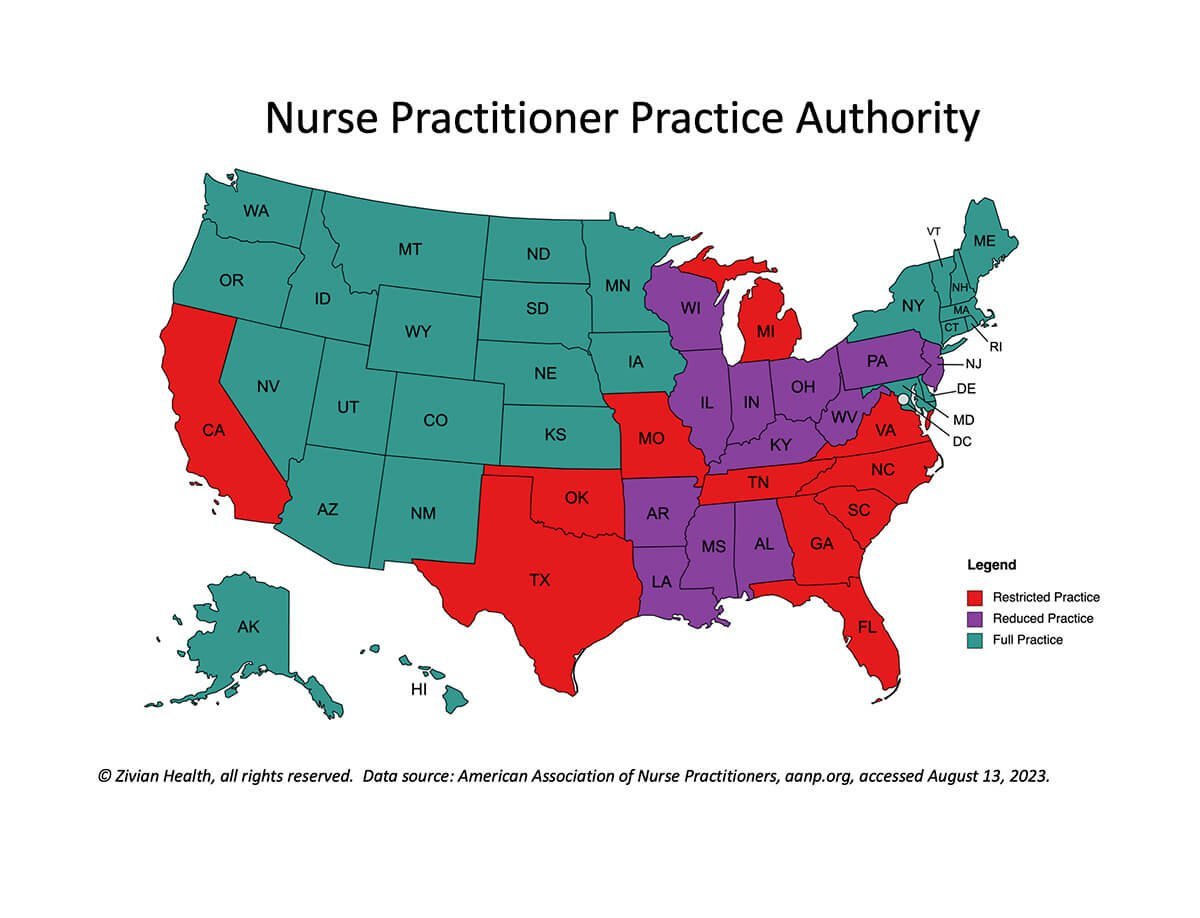
Understanding the scope of practice for nurse practitioners is crucial for ensuring effective collaboration with physicians.
State Variations in Scope of Practice
Scope of practice for nurse practitioners varies significantly from state to state due to differing regulations and requirements.
- In some states, nurse practitioners have full practice authority, allowing them to assess, diagnose, interpret diagnostic tests, and initiate treatment plans independently.
- Other states require nurse practitioners to have a collaborative agreement with a physician to practice, limiting their autonomy in certain clinical decisions.
- States like California and Colorado have granted nurse practitioners full practice authority, recognizing their advanced training and expertise.
Role of Collaborating Physicians
Collaborating physicians play a vital role in expanding or limiting the scope of practice for nurse practitioners.
- Physicians may be involved in supervising specific tasks or procedures that require their expertise or oversight, such as prescribing certain medications or performing complex procedures.
- Physician collaboration can provide support and guidance to nurse practitioners, ensuring safe and effective patient care.
Tasks Requiring Physician Supervision
There are specific tasks or procedures that may require physician supervision to ensure patient safety and quality of care.
- Prescribing controlled substances or certain medications that have a higher risk of adverse effects often requires physician oversight.
- Performing invasive procedures or surgeries that are beyond the scope of a nurse practitioner's training may also necessitate physician supervision.
- Interpreting complex diagnostic tests or managing patients with multiple comorbidities may benefit from collaboration with a physician to ensure comprehensive care.
Liability Issues and Malpractice Insurance
Collaborating physicians working with nurse practitioners face various liability implications that need to be carefully considered. It is crucial for both parties to have malpractice insurance to protect themselves in case of any legal claims.
Importance of Malpractice Insurance
Malpractice insurance is essential for both collaborating physicians and nurse practitioners as it provides financial protection in the event of malpractice claims. This type of insurance covers legal fees, settlement costs, and damages that may arise from alleged medical errors.
Addressing Liability Issues in Collaborative Practice Agreements
Collaborative practice agreements between physicians and nurse practitioners should clearly Artikel the responsibilities and liabilities of each party. These agreements typically define the scope of practice for the nurse practitioner, the level of supervision required from the collaborating physician, and the process for handling any potential malpractice claims.
Commonly Asked Questions
What are the legal obligations of collaborating physicians for nurse practitioners?
Collaborating physicians are required to oversee and collaborate with nurse practitioners in providing care, ensuring compliance with state-specific laws and regulations.
How do state requirements for collaborative practice agreements vary?
State requirements vary in terms of supervision levels, documentation, and specific regulations, impacting how nurse practitioners and collaborating physicians work together.
What is the scope of practice for nurse practitioners in different states?
The scope of practice varies by state, with collaborating physicians playing a role in expanding or limiting these boundaries based on the state's regulations.
Why is malpractice insurance important for collaborating physicians and nurse practitioners?
Malpractice insurance is crucial for both parties to protect against liability issues that may arise during collaborative practice, ensuring financial security and legal protection.