
Factors influencing Employee Health Insurance Costs
Employee health insurance costs in 2025 are influenced by several key factors, including advancements in medical technology and changes in healthcare regulations. These elements play a significant role in shaping the expenses associated with providing health insurance to employees.
Advancements in Medical Technology
The continuous advancements in medical technology have a direct impact on employee health insurance costs. While these innovations lead to improved treatments and better healthcare outcomes, they also come with a higher price tag. New medications, procedures, and medical devices often come at a premium, causing insurance costs to rise as healthcare providers incorporate these technologies into their services.
Changes in Healthcare Regulations
Shifts in healthcare regulations can also influence employee health insurance costs. Alterations to laws and policies governing the healthcare industry can lead to changes in coverage requirements, reimbursement rates, and administrative costs. For employers, staying compliant with evolving regulations may require adjustments to their health insurance offerings, potentially affecting the overall expenses associated with providing healthcare benefits to employees.
Predicted Trends in Employee Health Insurance Costs
As we look ahead to the future, it is essential to consider the predicted trends in employee health insurance costs. Understanding these trends can help employers better prepare for potential changes in healthcare expenses.
Projected Cost Increases
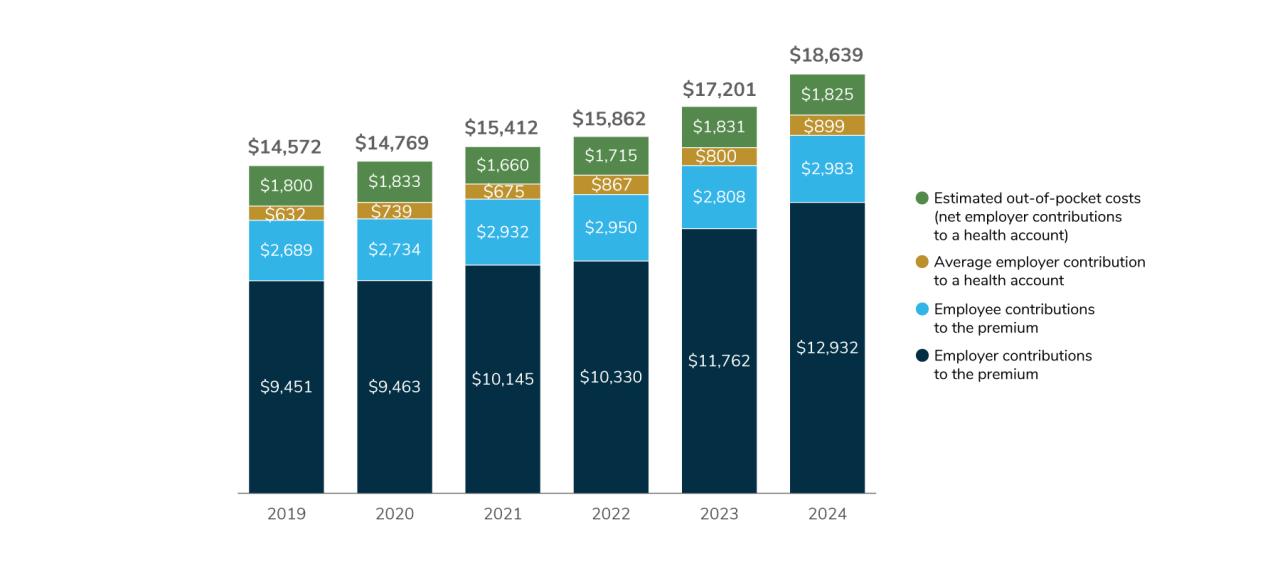
Over the next few years, we can expect to see a gradual increase in health insurance rates for employees. Factors such as rising healthcare costs, inflation, and advancements in medical technologies are likely to contribute to these projected cost increases.
- Historical Data Trends: When comparing these projected cost increases with historical data trends, we can observe a pattern of steady growth in health insurance premiums over the years. Employers should anticipate a similar trend in the coming years and plan their budgets accordingly.
Global Health Crises Impact
The occurrence of global health crises, such as the COVID-19 pandemic, can significantly influence insurance premiums. These crises can lead to increased healthcare utilization, higher medical costs, and changes in regulations that may impact insurance pricing.
- Impact on Premiums: Global health crises can cause a spike in insurance premiums as insurers adjust to the new healthcare landscape. Employers should be prepared for potential fluctuations in health insurance costs during times of crisis.
Strategies for Employers to Manage Health Insurance Costs
Employers are constantly seeking ways to control rising health insurance expenses, especially with the predicted trends indicating continued increases in costs. Implementing effective strategies is crucial to ensure financial sustainability while still providing quality healthcare coverage for employees.
Implementing Wellness Programs
Wellness programs have become increasingly popular among employers as a way to promote healthy lifestyles and reduce healthcare costs in the long run. By encouraging employees to adopt healthier habits and engage in preventive care, companies can potentially lower insurance claims and overall expenses.
These programs often include initiatives such as fitness challenges, nutrition counseling, smoking cessation support, and mental health resources. In the end, healthier employees lead to lower healthcare costs for the employer
Pros and Cons of Self-Insurance Options
Self-insurance, also known as self-funding, is an alternative option for companies to bear the financial risk of providing healthcare benefits to their employees. While this approach can offer potential cost savings and more control over plan design, it also comes with risks.
Companies need to have a solid understanding of their workforce demographics, health risks, and financial capabilities to effectively manage self-insured plans. Additionally, unexpected high claims can pose a significant financial burden if not properly managed. Employers considering self-insurance should weigh the pros and cons carefully before making a decision.
Impact of Employee Health Insurance Costs on Business Operations
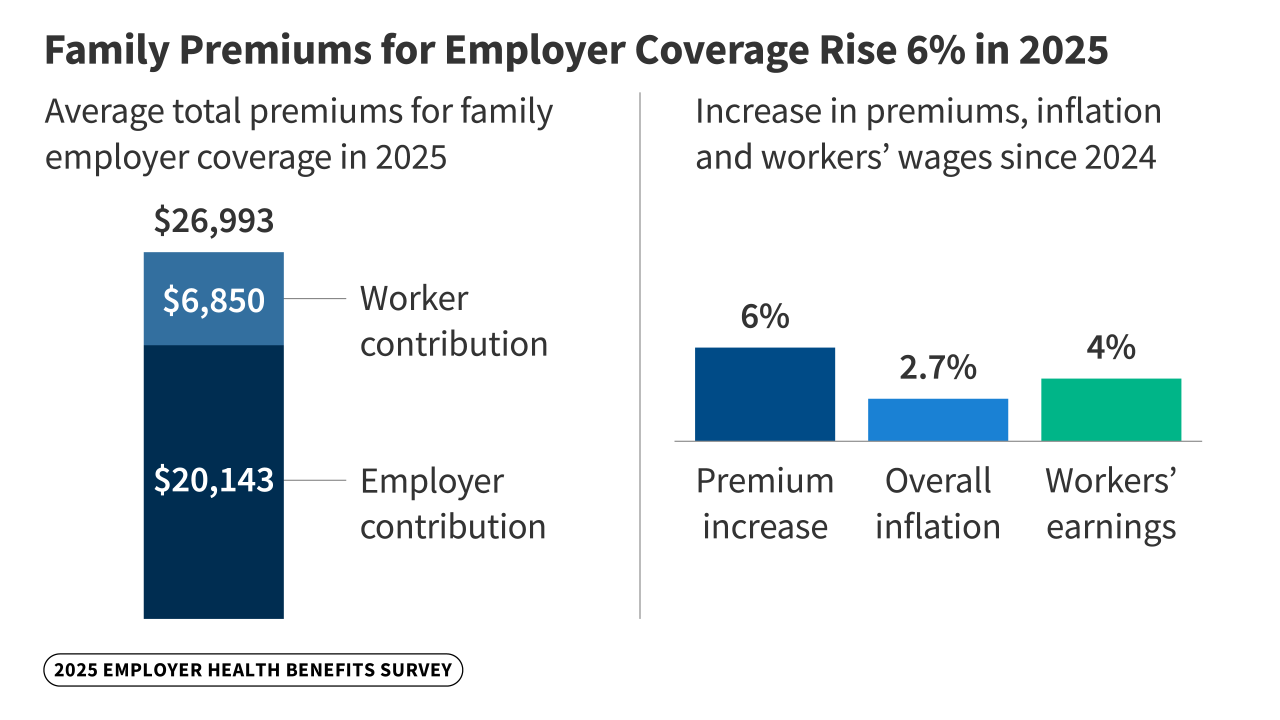
Employee health insurance costs can have a significant impact on a company's bottom line. As these costs continue to rise, businesses may need to allocate more resources to cover health insurance expenses, reducing the overall profitability of the organization. This can lead to budget constraints in other areas of the business, affecting growth and expansion plans.
Effect on Employee Retention
High health insurance expenses can also impact employee retention. When employees are faced with increasing out-of-pocket costs for healthcare or limited coverage options, they may become dissatisfied with their benefits package. This dissatisfaction can lead to higher turnover rates as employees seek employment opportunities with better health insurance benefits.
The cost and effort associated with recruiting and training new employees can further strain a company's resources.
Correlation with Employee Productivity
The health insurance benefits offered by a company can directly impact employee productivity. When employees have access to comprehensive healthcare coverage, they are more likely to seek preventive care and address any health issues promptly. This can result in reduced absenteeism, increased presenteeism, and overall higher productivity levels.
On the other hand, employees who are underinsured or lack access to affordable healthcare may delay seeking medical treatment, leading to decreased productivity and potential long-term health issues.
Frequently Asked Questions
What are some key factors influencing employee health insurance costs in 2025?
Key factors include advancements in medical technology, changes in healthcare regulations, and other industry-specific variables that impact insurance expenses.
How can employers effectively manage rising health insurance costs?
Employers can implement wellness programs, explore self-insurance options, and negotiate with insurance providers to control escalating expenses.
What is the impact of high health insurance costs on employee retention?
High health insurance costs can lead to dissatisfaction among employees, potentially affecting retention rates and overall workforce morale.