

Understanding the Roles
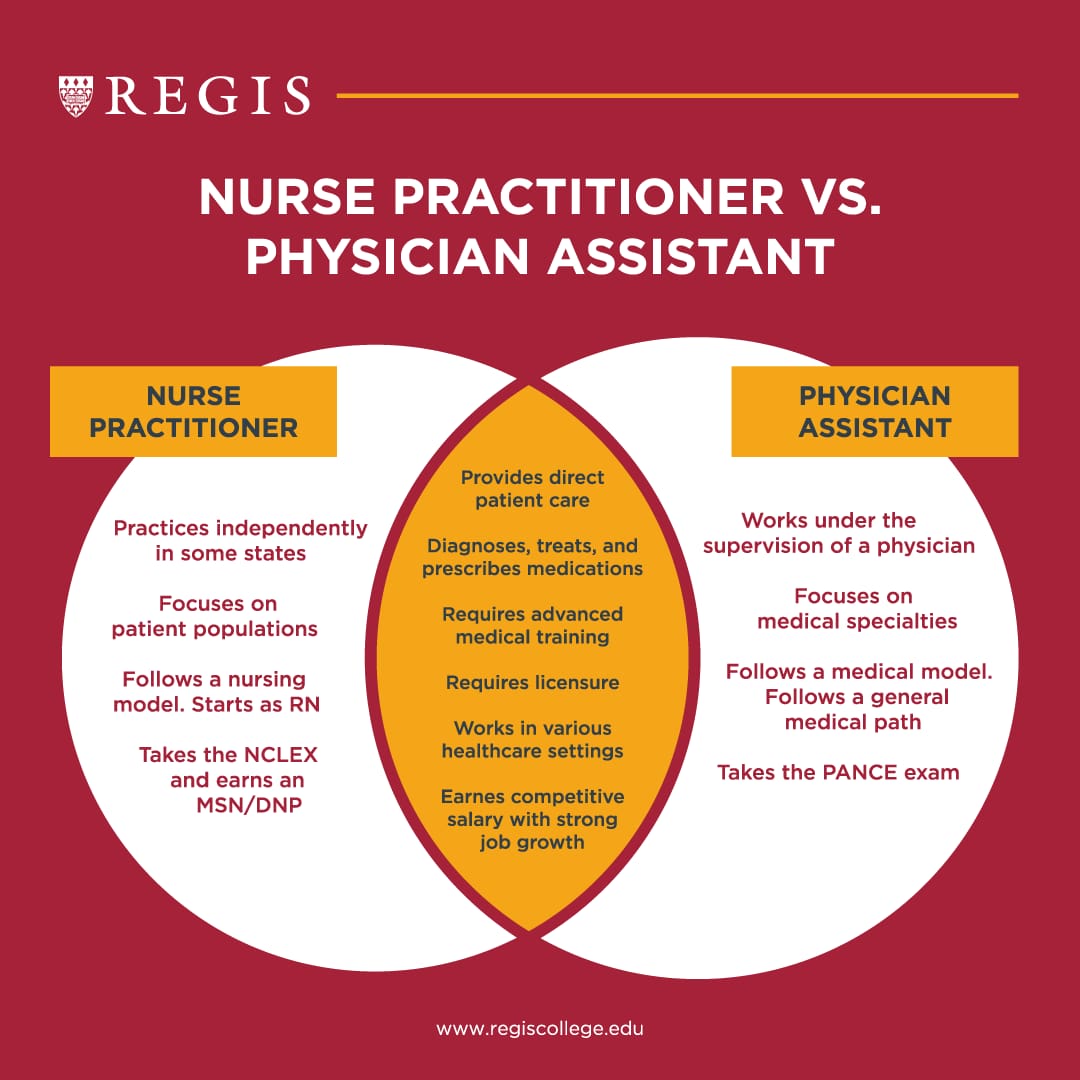
Collaborating Physician vs Supervising Physician: Key DifferencesIn a medical setting, the role of a collaborating physician involves working alongside other healthcare professionals to provide comprehensive care to patients. Collaborating physicians often consult with nurse practitioners, physician assistants, and other specialists to develop treatment plans and ensure the best possible outcomes for patients.On the other hand, a supervising physician is responsible for overseeing the work of other healthcare providers, such as nurse practitioners and physician assistants.
The supervising physician is tasked with reviewing and approving patient care plans, providing guidance on complex cases, and ensuring that all medical decisions align with established protocols and standards of care.
Key Differences
- Collaborating Physician:
- Works together with other healthcare professionals to provide patient care
- Consults and collaborates on treatment plans
- Does not have direct oversight over other healthcare providers
- Supervising Physician:
- Oversees the work of nurse practitioners, physician assistants, or other healthcare providers
- Reviews and approves patient care plans
- Provides guidance and supervision to ensure quality care
Qualifications and Credentials
To practice as a collaborating physician or supervising physician, specific qualifications and credentials are required to fulfill the responsibilities of each role effectively.
Collaborating Physician
To become a collaborating physician, one must typically hold a medical degree (MD or DO) from an accredited medical school. In addition, they must have completed a residency program in their chosen specialty and obtained a state medical license. Collaborating physicians often work in a team with other healthcare providers to deliver patient care.
Supervising Physician
A supervising physician is usually required to have the same qualifications as a collaborating physician, including a medical degree, completion of a residency program, and a state medical license. In addition to these qualifications, supervising physicians are expected to have additional experience and expertise in their specialty.
They oversee the work of other healthcare providers, such as physician assistants or nurse practitioners.
Educational Background
Both collaborating and supervising physicians have similar educational backgrounds, including a medical degree and completion of a residency program. However, supervising physicians are often expected to have more experience in their field, as they are responsible for supervising the work of other healthcare providers.
Collaborating physicians work closely with other providers in a team-based approach to patient care.
Relationship with Other Healthcare Professionals

Collaborating physicians and supervising physicians play distinct roles in their interactions with other healthcare professionals. Here's a breakdown of how they engage with their colleagues:
Collaborating Physicians
Collaborating physicians work closely with a team of healthcare professionals, including nurses, physician assistants, and specialists, to provide comprehensive care to patients. They often participate in multidisciplinary meetings to discuss treatment plans and share expertise. For example, a collaborating physician may consult with a pharmacist to optimize medication regimens for a patient
Supervising Physicians
Supervising physicians oversee the work of residents, fellows, and other healthcare providers, guiding them in patient care decisions and procedures. They collaborate with colleagues by providing mentorship and sharing knowledge to ensure high-quality patient outcomes. For instance, a supervising physician may work closely with a surgical team to plan and execute complex procedures.
Collaborative Efforts
Collaboration within a medical team is essential for delivering effective and coordinated care. Examples of collaborative efforts include case conferences where healthcare professionals discuss challenging cases, team rounds where different specialists provide input on patient care plans, and joint research projects to advance medical knowledge.
By working together, healthcare professionals can leverage their unique expertise to provide holistic care to patients.
Legal and Ethical Considerations
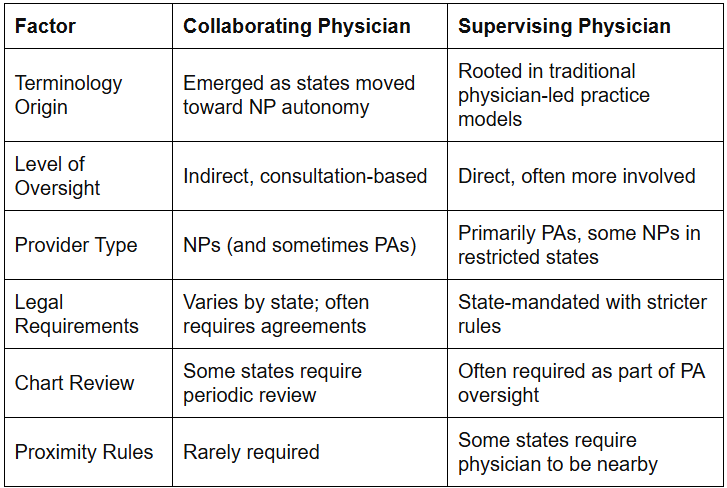
When it comes to the roles of collaborating and supervising physicians, there are important legal and ethical considerations that must be taken into account to ensure patient safety and quality of care.
Legal Implications of Working as a Collaborating Physician
Collaborating physicians are required to adhere to specific state laws and regulations governing their practice. They must ensure that they have a valid collaborative agreement in place with the nurse practitioner or physician assistant they are working with. Failure to comply with these legal requirements can result in disciplinary action and potential legal consequences.
Ethical Responsibilities of a Supervising Physician
Supervising physicians have a duty to oversee the care provided by nurse practitioners or physician assistants under their supervision. This includes ensuring that these healthcare providers are practicing within their scope of practice and providing high-quality care to patients. Supervising physicians must also be available for consultation and guidance whenever needed.
Comparison of Legal and Ethical Frameworks
The legal framework for collaborating physicians focuses on ensuring compliance with state laws and regulations regarding collaborative practice agreements. On the other hand, the ethical framework for supervising physicians emphasizes the importance of patient safety, quality of care, and effective communication within the healthcare team.
While legal requirements provide a structure for collaboration, ethical responsibilities guide the behavior and decision-making of supervising physicians in their role.
FAQ Corner
What qualifications are needed to become a collaborating physician?
To become a collaborating physician, one typically needs a medical degree, relevant training, and state licensure to practice medicine independently.
What are the responsibilities of a supervising physician?
A supervising physician oversees the work of other healthcare professionals, provides guidance, and ensures quality patient care.
How do collaborating physicians interact with other healthcare team members?
Collaborating physicians work closely with nurses, physician assistants, and other medical staff to coordinate patient care and treatment plans.
What legal implications exist for collaborating physicians?
Collaborating physicians must adhere to state laws governing medical practice, including regulations on prescribing medications and providing care within their scope of practice.
What are the key differences in educational background required for collaborating vs supervising physicians?
Collaborating physicians typically have a similar educational background to supervising physicians, including medical school and residency training, but may not hold the same level of authority or responsibility.