
Introduction to Small Business Health Insurance for Startups
Small business health insurance refers to coverage provided by insurance companies to businesses with a limited number of employees. This type of insurance helps startups provide healthcare benefits to their employees, ensuring their well-being and productivity.
Health insurance is crucial for startups as it plays a significant role in attracting and retaining top talent. By offering comprehensive health coverage, startups can compete with larger companies in the job market and create a positive work environment for their employees.
The Challenges Startups Face When Choosing Health Insurance Providers
Startups often face challenges when selecting health insurance providers due to limited budgets and the complex nature of insurance plans. Some of the common challenges include:
- Cost: Startups may struggle to find affordable health insurance plans that offer adequate coverage for their employees.
- Customization: It can be challenging to find insurance providers that offer flexible plans that cater to the specific needs of a startup and its employees.
- Network Coverage: Limited network options may restrict employees from accessing quality healthcare providers, affecting the overall satisfaction with the insurance plan.
- Administrative Burden: Startups may lack the resources to manage the administrative tasks associated with health insurance, leading to additional strain on the company.
- Compliance Issues: Navigating the regulatory requirements and compliance standards related to health insurance can be overwhelming for startups, leading to potential risks and penalties.
Top 5 Providers for Small Business Health Insurance
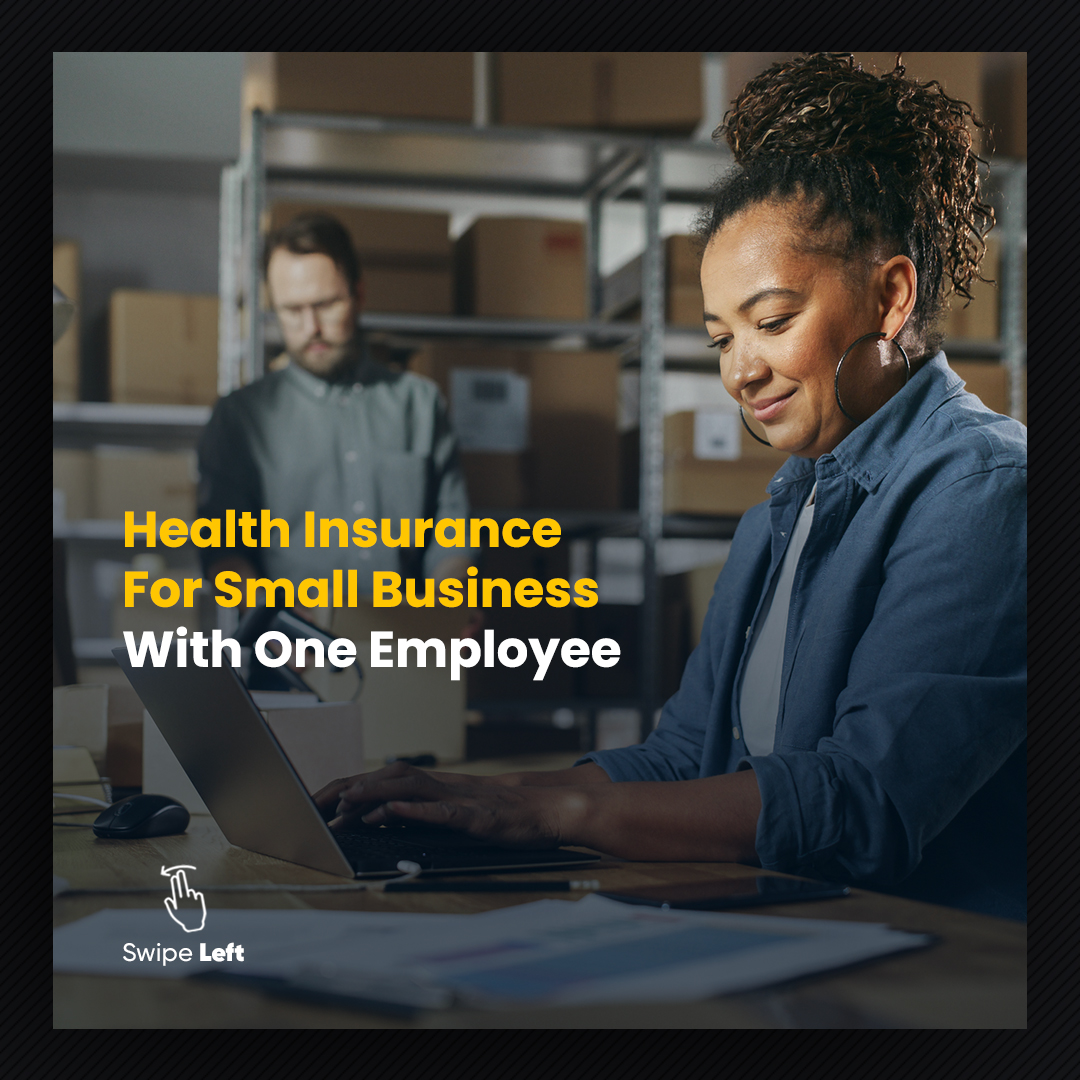
When it comes to choosing a health insurance provider for your startup, it's important to consider the services offered and the eligibility criteria. Here are the top 5 providers in the market:
1. Blue Cross Blue Shield
Blue Cross Blue Shield is known for its wide network of healthcare providers and comprehensive coverage options. They offer plans tailored for small businesses, including health savings accounts and wellness programs. Startups can enroll with Blue Cross Blue Shield by meeting certain employee size requirements.
2. Aetna
Aetna is another popular choice for small business health insurance, offering a range of plans with different coverage levels and pricing options. They also provide tools and resources to help startups manage their healthcare costs effectively. Eligibility criteria for startups to enroll with Aetna may vary based on the location and number of employees.
3. Cigna
Cigna offers customizable health insurance plans for small businesses, including options for dental and vision coverage. They also provide access to a network of healthcare professionals and wellness programs. Startups looking to enroll with Cigna may need to meet specific eligibility requirements based on the size of the company.
4. UnitedHealthcare
UnitedHealthcare is a trusted provider that offers a variety of health insurance plans for small businesses, including options for telemedicine and mental health services. They also offer tools for healthcare cost management and employee wellness initiatives. Eligibility criteria for startups to enroll with UnitedHealthcare may include the number of employees and location.
5. Kaiser Permanente
Kaiser Permanente is known for its integrated healthcare system, providing both insurance coverage and healthcare services. They offer a range of health plans for small businesses, including preventive care and chronic disease management programs. Startups can enroll with Kaiser Permanente by meeting specific employee size requirements and location restrictions.
Coverage Options and Plans
When it comes to small business health insurance for startups, having the right coverage options and plans is crucial to ensure the well-being of your employees. Here we will discuss the different health insurance plans offered by the top providers and how they can be tailored to meet the specific needs of startups.
Coverage Options Available for Startups
- Medical Coverage: This includes doctor visits, hospital stays, prescription drugs, and other medical services.
- Dental and Vision Coverage: Additional coverage for dental care and vision services can be included in the plan.
- Mental Health Coverage: Some plans offer coverage for mental health services such as therapy and counseling.
- Wellness Programs: Many providers offer wellness programs to promote healthy lifestyles and prevent illnesses.
Health Insurance Plans Offered by Top Providers
- Preferred Provider Organization (PPO): Allows employees to choose their healthcare providers and specialists without needing referrals.
- Health Maintenance Organization (HMO): Requires employees to choose a primary care physician and get referrals to see specialists.
- High Deductible Health Plan (HDHP): Offers lower premiums but higher deductibles, often paired with a Health Savings Account (HSA).
- Exclusive Provider Organization (EPO): Similar to a PPO but with a limited network of healthcare providers.
Flexibility in Customizing Plans for Startups
Startups can work with insurance providers to customize their health insurance plans based on the size of their workforce, budget constraints, and specific healthcare needs of their employees.
Providers may offer options to add or remove coverage elements, adjust co-pays and deductibles, and explore different wellness programs to create a tailored plan that meets the unique requirements of the startup.
Cost and Affordability

When it comes to small business health insurance for startups, cost and affordability are crucial factors to consider. Understanding the cost structure of health insurance plans and comparing pricing models of different providers can help startups make informed decisions.
Pricing Models of Top 5 Providers
- Provider A: Offers tiered pricing based on the number of employees covered, with discounts for larger groups.
- Provider B: Utilizes a per-employee per-month pricing model, which can be cost-effective for startups with a small team.
- Provider C: Provides customizable plans with add-on options, allowing startups to tailor coverage to their budget.
- Provider D: Offers a combination of fixed premiums and co-pays, suitable for startups looking for predictability in costs.
- Provider E: Implements a high-deductible plan with lower monthly premiums, ideal for startups looking to save on upfront costs.
Tips for Managing Health Insurance Costs
- Consider a Health Savings Account (HSA) to save on taxes and cover out-of-pocket expenses.
- Shop around and compare quotes from different providers to find the best value for your startup.
- Encourage employee wellness programs to lower overall healthcare costs and potentially reduce insurance premiums.
- Evaluate the needs of your team and choose a plan that balances coverage and cost effectively.
- Review your health insurance plan annually to ensure it still meets the needs of your growing startup.
Customer Support and Satisfaction
When it comes to small business health insurance for startups, customer support and satisfaction play a crucial role in ensuring a smooth experience for both employers and employees. Excellent customer service can make a significant difference in the overall satisfaction with the chosen health insurance provider.
Customer Support Services
- Provider A: XYZ Insurance Company offers 24/7 customer support through phone, email, and live chat. Startups have praised their prompt responses and helpful guidance in navigating the insurance process.
- Provider B: ABC Health Insurance provides dedicated account managers for startups, ensuring personalized assistance and quick resolution of any issues. Feedback from startups highlights their proactive approach to customer support.
- Provider C: LMN Healthcare Solutions offers a user-friendly online portal for managing health benefits, along with a responsive customer support team. Startups appreciate the ease of communication and efficient solutions provided by the team.
- Provider D: PQR Benefits Corporation has received positive reviews for their knowledgeable customer support staff and clear communication regarding coverage options. Startups value the transparency and guidance offered by the team.
- Provider E: DEF Health Plans prides itself on excellent customer satisfaction ratings, with startups commending their friendly and approachable support team. Quick response times and detailed explanations of benefits have been highlighted as key strengths.
Query Resolution
What are the eligibility criteria for startups to enroll in small business health insurance?
Startups usually need to have a certain number of employees to qualify for group health insurance plans. Additionally, some providers may require a minimum revenue threshold. It's best to check with each provider for specific requirements.
How can startups manage and afford health insurance costs effectively?
Startups can explore options like Health Savings Accounts (HSAs) or Flexible Spending Accounts (FSAs) to save on taxes while paying for healthcare expenses. They can also consider high-deductible health plans paired with Health Reimbursement Arrangements (HRAs) for cost savings.
What types of coverage options are typically available for startups in small business health insurance plans?
Coverage options may include medical, dental, vision, and mental health services. Startups can choose from different plan tiers based on their budget and coverage needs. Consult with providers to understand the full range of options available.